

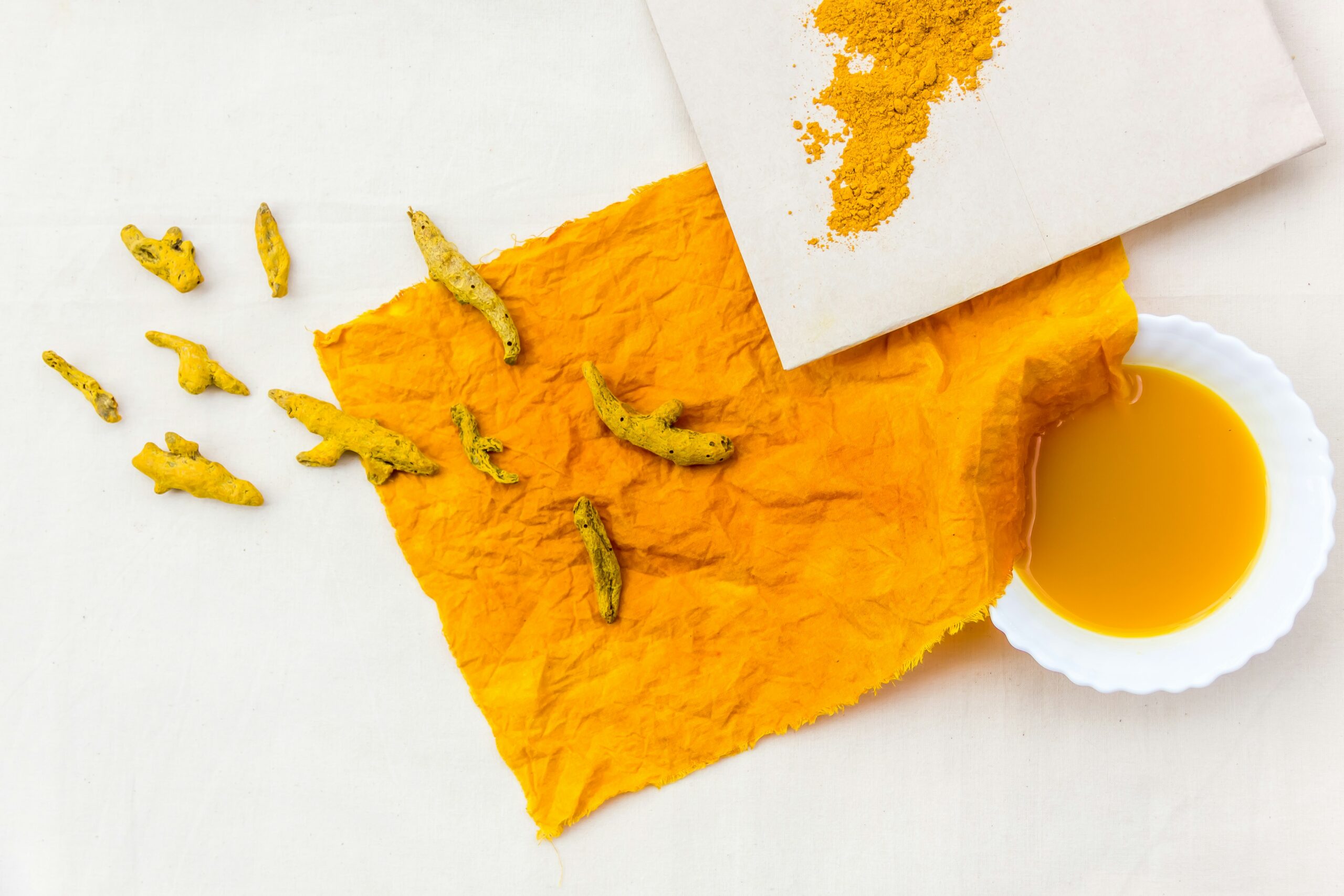
Introduction
India is the world’s largest producer, consumer, and exporter of turmeric, supplying premium turmeric varieties to markets across North America, Europe, the Middle East, Africa, and Asia. With growing global demand for turmeric in the food, pharmaceutical, nutraceutical, cosmetic, and wellness industries, buyers are increasingly focused on sourcing high-quality turmeric that meets both commercial and regulatory requirements.
However, evaluating turmeric quality goes far beyond simply looking at its color or price. Factors such as curcumin content, moisture levels, finger size, cleanliness, processing methods, and origin can significantly impact product performance, shelf life, and customer satisfaction.
For international buyers, understanding these quality parameters is crucial to making informed purchasing decisions and ensuring consistent product quality.
This guide explains the key factors every importer should evaluate before purchasing turmeric from India.
Why Turmeric Quality Matters
Turmeric quality directly affects:
- Product efficacy and potency
- Processing efficiency
- Shelf life and storage stability
- Customer satisfaction
- Regulatory compliance
- Market value and pricing
Whether turmeric is intended for spice blending, food manufacturing, extraction, supplements, or cosmetic applications, quality variations can significantly influence the final product.
A lower-priced shipment may appear attractive initially but can lead to higher rejection rates, quality complaints, and financial losses if quality standards are not carefully assessed.
Understanding Turmeric Types: Fingers vs Bulbs
Before evaluating quality, buyers should understand the two primary forms of dried turmeric rhizomes:
Turmeric Fingers
Turmeric fingers are the elongated secondary rhizomes separated from the mother rhizome during processing.
They are preferred because they offer:
- Better appearance
- Easier grading
- Consistent size
- Lower fiber content
- Higher commercial acceptance
Turmeric fingers are widely traded in international markets and are often preferred by wholesalers and processors.
Turmeric Bulbs
Bulbs are the larger central rhizomes from which fingers emerge.
They generally contain:
- Higher fiber content
- Irregular shape
- Different processing characteristics
While bulbs are used in certain applications, premium export markets often prefer well-graded turmeric fingers.
- Curcumin Content: The Most Important Quality Parameter
When evaluating turmeric quality, curcumin content is often the first specification buyers examine.
Curcumin is the primary active compound responsible for turmeric’s characteristic color and many of its functional properties.
Why Curcumin Matters
Higher curcumin content generally indicates:
- Stronger pigmentation
- Better extraction yields
- Higher market value
- Greater demand in nutraceutical and pharmaceutical industries
Typical Curcumin Range
| Quality Level | Curcumin Content |
| Standard Grade | 2% – 3% |
| Commercial Grade | 3% – 4% |
| Premium Grade | 4% – 5%+ |
Certain Indian varieties, particularly those cultivated in regions such as Salem and Erode, are valued globally for their favorable curcumin content and vibrant color characteristics.
Always request a laboratory analysis report verifying curcumin levels before finalizing procurement.
- Color and Appearance
Color is one of the first visual indicators of turmeric quality.
Premium turmeric typically exhibits:
- Bright yellow to deep golden-yellow color
- Uniform appearance
- Minimal discoloration
- Good surface finish
What Buyers Should Avoid
- Dull coloration
- Excessive dark patches
- Mold spots
- Uneven pigmentation
- Foreign staining
Consistent color often reflects proper cultivation, harvesting, curing, and processing practices.
- Moisture Content
Moisture plays a critical role in determining shelf life and storage stability.
Why Moisture Matters
Excess moisture can lead to:
- Mold growth
- Fungal contamination
- Reduced shelf life
- Product deterioration during transit
Recommended Moisture Levels
Most export buyers prefer moisture levels below:
10%–12%
Lower moisture content helps maintain quality throughout long-distance shipping and storage.
A moisture analysis certificate should always be requested from suppliers.
- Size and Uniformity of Turmeric Fingers
Uniform sizing is often a sign of professional grading and quality control.
Buyers should evaluate:
- Average finger length
- Thickness
- Consistency across batches
- Broken pieces percentage
Well-graded turmeric offers:
- Better processing efficiency
- Easier handling
- Improved visual appeal
- Greater customer acceptance
Uniformity is particularly important for wholesalers and retail packaging operations.
- Cleanliness and Foreign Matter
One of the most overlooked quality parameters is cleanliness.
Turmeric should be free from:
- Stones
- Soil particles
- Dust
- Fibers
- Plant debris
- Foreign seeds
- Insect contamination
High-quality exporters implement multiple cleaning stages before shipment.
Request specifications regarding:
- Foreign matter percentage
- Purity levels
- Cleaning process used
The cleaner the product, the lower the processing costs for the buyer.
6. Polished vs Unpolished Turmeric
Turmeric is available in both polished and unpolished forms.
Polished Turmeric
Polished turmeric undergoes mechanical polishing to improve appearance.
Advantages include:
- Attractive visual appeal
- Uniform finish
- Better market presentation
Unpolished Turmeric
Unpolished turmeric retains a more natural appearance.
Advantages include:
- Minimal processing
- Preferred by certain organic and natural product markets
The choice depends on buyer requirements and end-use applications.
Export Documentation
Depending on destination country requirements:
- Certificate of Analysis (COA)
- Phytosanitary Certificate
- Fumigation Certificate
- Health Certificate
- Origin Certificate
Professional exporters should be able to provide the necessary documentation for international trade.
Common Mistakes Buyers Make When Importing Turmeric
Many importers focus solely on price while overlooking critical quality indicators.
Common mistakes include:
- Not verifying curcumin content
- Ignoring moisture specifications
- Purchasing without laboratory reports
- Overlooking cleanliness standards
- Failing to assess supplier credibility
- Not confirming packaging requirements
- Choosing suppliers based only on the lowest quotation
A balanced evaluation of quality, consistency, compliance, and pricing often delivers the best long-term value.
Key Questions to Ask Your Turmeric Supplier
Before placing an order, buyers should ask:
- What is the curcumin percentage?
- What is the moisture content?
- Is the turmeric polished or unpolished?
- What is the origin of the turmeric?
- What quality certifications are available?
- Can laboratory reports be provided?
- What packaging options are available?
- What is the average finger size and grading standard?
- What are the shipment lead times?
- Can batch-to-batch consistency be maintained?
These questions help minimize risk and improve procurement outcomes.
Conclusion
Successful turmeric sourcing requires more than comparing prices. Buyers must carefully evaluate curcumin content, moisture levels, color, cleanliness, grading, origin, documentation, and supplier reliability to ensure they receive a product that meets both quality expectations and regulatory requirements.
As global demand for turmeric continues to grow across food, nutraceutical, pharmaceutical, and cosmetic industries, selecting the right supplier and understanding key quality parameters has never been more important.
By following the evaluation framework outlined in this guide, importers can make informed purchasing decisions, reduce sourcing risks, and build a reliable supply chain for premium Indian turmeric.
