

Salem vs Erode Turmeric: Understanding the Difference Between Two Premium Indian Turmeric Varieties
India produces nearly 80% of the world’s turmeric, and among the many varieties cultivated across the country, Salem and Erode turmeric are considered two of the most premium types. Both varieties are grown in Tamil Nadu and are widely exported as whole dried turmeric fingers to international spice markets.
For importers, spice traders, and food manufacturers, understanding the differences between Salem whole dried turmeric fingers and Erode whole dried turmeric fingers can help in selecting the right variety for their specific applications.
What Are Whole Dried Turmeric Fingers?
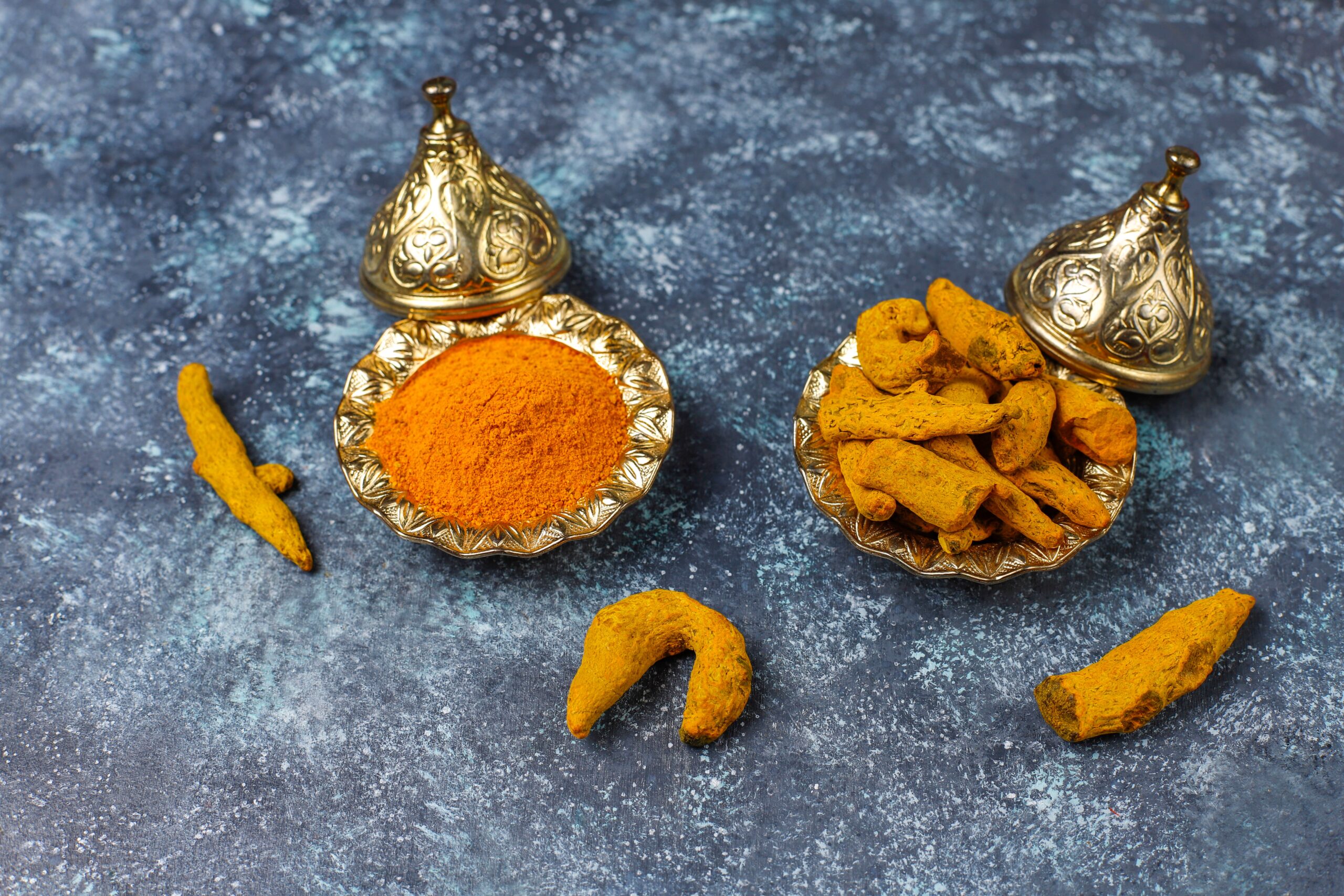
Whole dried turmeric fingers are mature turmeric rhizomes that are boiled, dried, and polished after harvesting. These fingers are commonly used by spice processors and manufacturers who later grind them into turmeric powder or extract curcumin for industrial use.
Whole turmeric fingers are preferred by many buyers because they offer:
- Longer shelf life
- Better quality control
- Lower risk of adulteration
- Flexible processing options
Salem Whole Dried Turmeric Fingers
Salem turmeric is cultivated mainly in and around the Salem district of Tamil Nadu. This variety is well known for its high curcumin content and deep color, making it highly desirable for both culinary and medicinal applications.
Key Features of Salem Turmeric
- High curcumin percentage
- Dark yellow to orange color
- Strong aroma and flavor
- High demand in international markets
Because of its strong natural compounds, Salem turmeric is widely used in:
- Spice manufacturing
- Nutraceutical products
- Herbal medicine
- Health supplements
Buyers looking for turmeric with higher active compound concentration often prefer Salem turmeric.
Erode Whole Dried Turmeric Fingers
Erode turmeric comes from the famous Erode turmeric belt, often referred to as the Turmeric City of India. The region hosts one of the largest turmeric trading markets in the country.
Erode turmeric is known for its uniform finger size, bright color, and reliable quality, making it popular among bulk spice traders.
Key Features of Erode Turmeric
- Bright yellow color
- Uniform finger size
- Strong but slightly milder aroma
- Consistent supply and grading
It is widely used in:
- Turmeric powder production
- Packaged food products
- Spice blends
- Food processing industries
Salem vs Erode Turmeric: Key Differences
| Feature | Salem Turmeric | Erode Turmeric |
|---|---|---|
| Color | Dark yellow to orange | Bright yellow |
| Curcumin Content | Generally higher | Moderate to high |
| Aroma | Strong and earthy | Mild to strong |
| Finger Size | Slightly longer | More uniform |
| Main Use | Health products & premium spice blends | Bulk spice processing |
Both varieties maintain excellent export quality and are widely accepted in global markets.
Why International Buyers Prefer Indian Turmeric
India’s turmeric industry offers several advantages for global buyers:
- Large-scale cultivation
- Traditional curing techniques
- Competitive pricing
- Reliable export infrastructure
Tamil Nadu, especially the Salem and Erode regions, has built a strong reputation for producing high-quality turmeric suitable for global markets.
Growing Global Demand for Turmeric
Turmeric has become increasingly popular worldwide due to its culinary versatility and wellness benefits. Demand has grown in industries such as:
- Food and beverages
- Nutraceuticals
- Cosmetics
- Herbal medicine
As a result, high-quality turmeric varieties like Salem and Erode continue to see strong demand from importers and manufacturers.
Final Thoughts
Both Salem whole dried turmeric fingers and Erode whole dried turmeric fingers are among the most respected turmeric varieties in the global spice trade. While Salem turmeric is known for its higher curcumin content and deeper color, Erode turmeric stands out for its uniform quality and large-scale availability.
For international buyers, selecting the right variety depends on the intended application, quality requirements, and processing needs.
